1. Stay out and call
Keep everyone out of the space and do not touch what you see. The team asks a few questions to plan the job.
Lincoln, NE · Lancaster County
Do not clean up drug items alone. In Lincoln, call (877) 812-4220 and a cleanup team can handle syringes, bags, foil and powders with protective gear, then disinfect the affected area.
If anyone is in danger, call 911 first. For a suicide crisis, call or text 988.
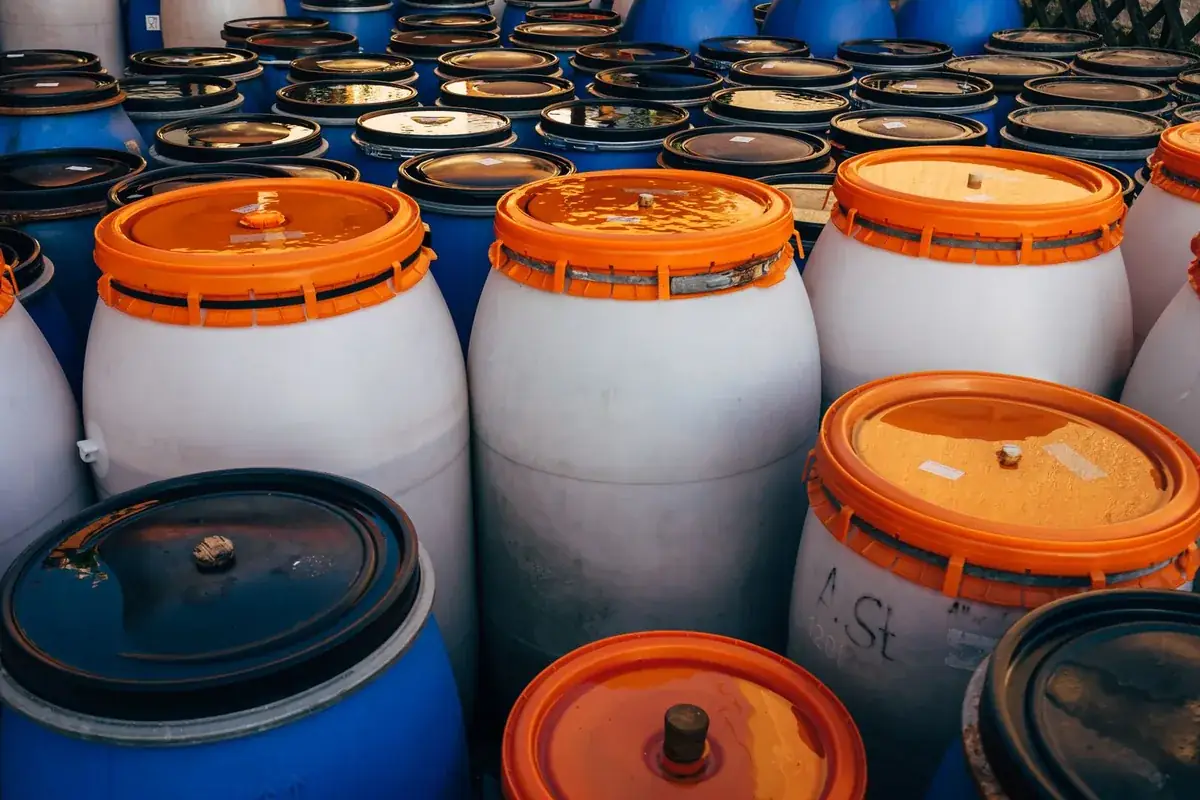
Paraphernalia and residue cleanup is a decontamination job. The goal is to leave a space where no sharps remain and surfaces have been cleaned with hospital-grade, EPA-registered products.
When your Lincoln home needs cleaning after a police investigation, you can call Lincoln Biohazard Cleanup Help after law enforcement releases the property. Crews remove items, treat surfaces and haul away waste in Lancaster County.
With about 44% of Lincoln households renting, a unit left in poor shape after a move-out is a common reason for a cleanup call. Tell the doctor where the exposure happened. CHI Health St. Elizabeth, about 1 miles from Lincoln, can evaluate people who may have been exposed.
The work often covers:
Keep everyone out of the space and do not touch what you see. The team asks a few questions to plan the job.
The team looks over the rooms and decides which items, surfaces and materials need attention.
Surfaces are cleaned, and soft goods that could hold residue are removed.
Surfaces are disinfected, odors are treated, and a last walk-through confirms the space is ready.
The cost of drug paraphernalia cleanup in Lincoln, NE depends on the amount of material, how it is packed and how it is hauled.
Soft materials make a difference. Carpet, padding, mattresses and upholstery that took in residue or fluids may have to be removed and replaced.
| Type of job | Typical range |
|---|
These ranges come from published cost guides () and are not a quote for Lincoln. Price drivers include amount of material, whether residue is present, surfaces affected, waste disposal. For a real number, call (877) 812-4220.
No. A good team asks only what it needs to plan the work, and you decide what to share. If privacy matters, ask about discreet, unmarked arrival when you call. Teams differ, so ask how the call and the visit are handled.
No. This page explains how drug paraphernalia cleanup works. It is not medical, legal or insurance advice. For symptoms, contact a doctor or Poison Control, and for legal questions, ask an attorney.
It is safer not to. You often cannot tell what an item or residue is, and hidden sharps are a risk. Do not mix cleaning products. A cleanup team has the protective gear and containers to do it safely, without judgment.
No. Drug paraphernalia cleanup removes used items and cleans surfaces. A site where drugs were made is a different job with its own testing and clearance steps. If you think drugs were made in the home, say so when you call.
It can be. Used syringes and other sharps can carry bloodborne germs, and residue can harm people who touch or swallow it. A cleanup team can look at what is there and explain how it should be handled. Do not touch it until then.
Vehicles can hold syringes, residue and odor in seats, carpets and vents. Ask whether the team cleans vehicles and how soft materials are treated. Crews use the same protective gear and sealed containers as in a building.
If anyone is hurt or unresponsive, call 911 first, then call for cleanup.
Call (877) 812-4220